


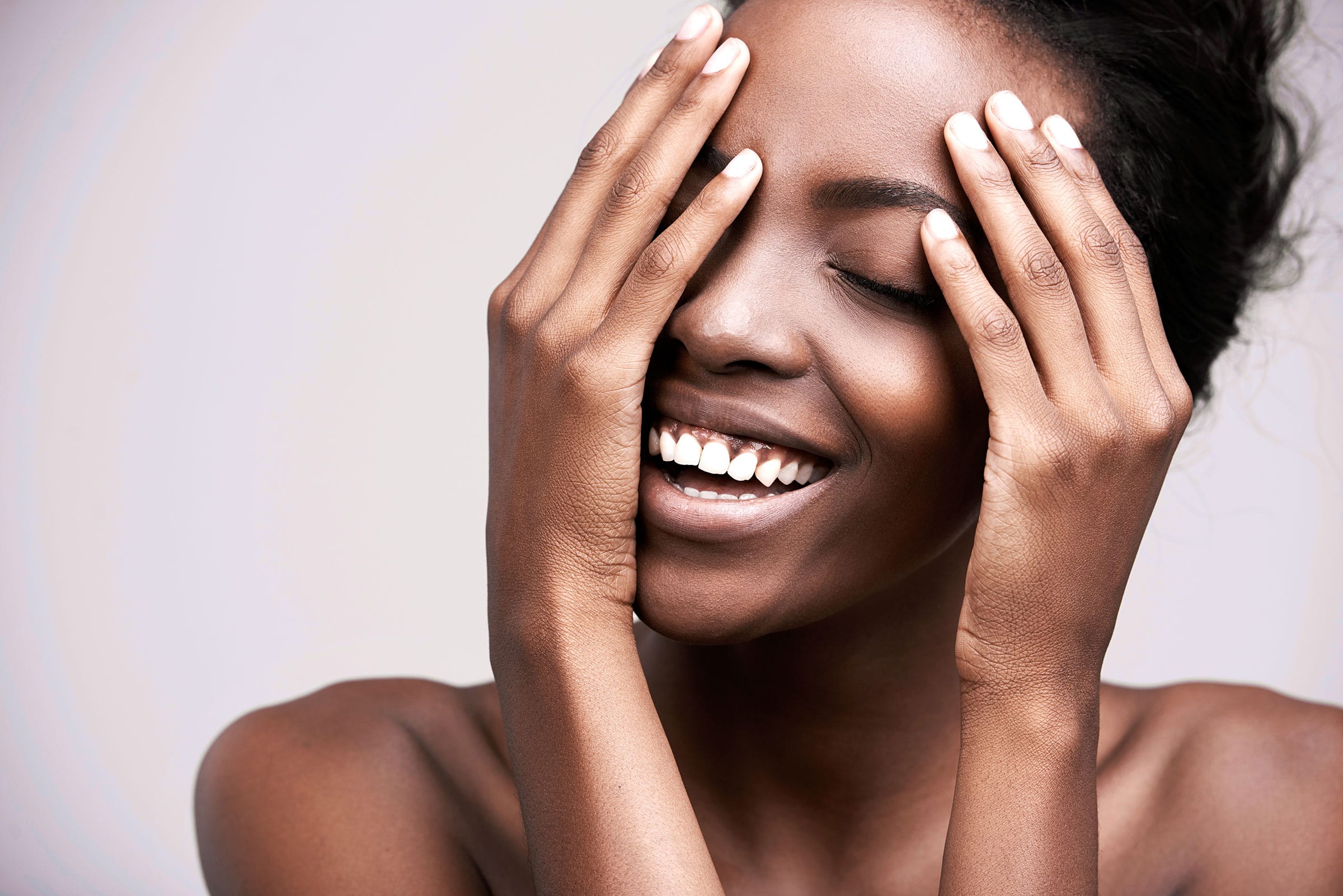
Calling skin a blank canvas sounds flattering to the artist, but it can make the person disappear from the conversation. A face arrives with texture, tonal variation, freckles, lines and a history of expressions. Those qualities are not an empty surface awaiting a more interesting idea.
For beauty image making, the creative question is what the photograph wants to emphasize. A bold makeup concept can coexist with visible skin. Precision does not require every area of the face to look identical.
Define polish before the camera appears
A useful brief separates styling choices from assumptions. Does “polished” mean controlled light, a considered composition and an intentional makeup finish? Or has it become shorthand for removing anything irregular? Naming the difference early gives the creative team a clearer direction.
Discuss retouching expectations with the subject. A temporary distraction and a defining feature are not the same thing, and the person being photographed may have a different view of either than the editor. The conversation should happen before a heavily altered file becomes the default version of the face.
Leave room for variation
A cheek, forehead and upper lip do not have to reflect light in the same way. Treating every variation as a flaw can flatten the image. Look instead at whether the lighting describes the face clearly and whether the final photograph preserves its dimensional character.
The strongest beauty portrait is not necessarily the one that withstands the most severe magnification. It may be the one that remains recognizable when the subject laughs beside it. Keeping texture is an aesthetic and editorial decision, not a promise that a photograph is untouched. The important thing is to make that decision consciously, with the person and the purpose of the image both in view.