


CULTURE
A Garment in the Family Archive: Preserving the Story Without Inventing It
Explore family clothing stories through careful description, attributed memories and honest gaps, keeping an inherited garment’s meaning specific rather than invented.
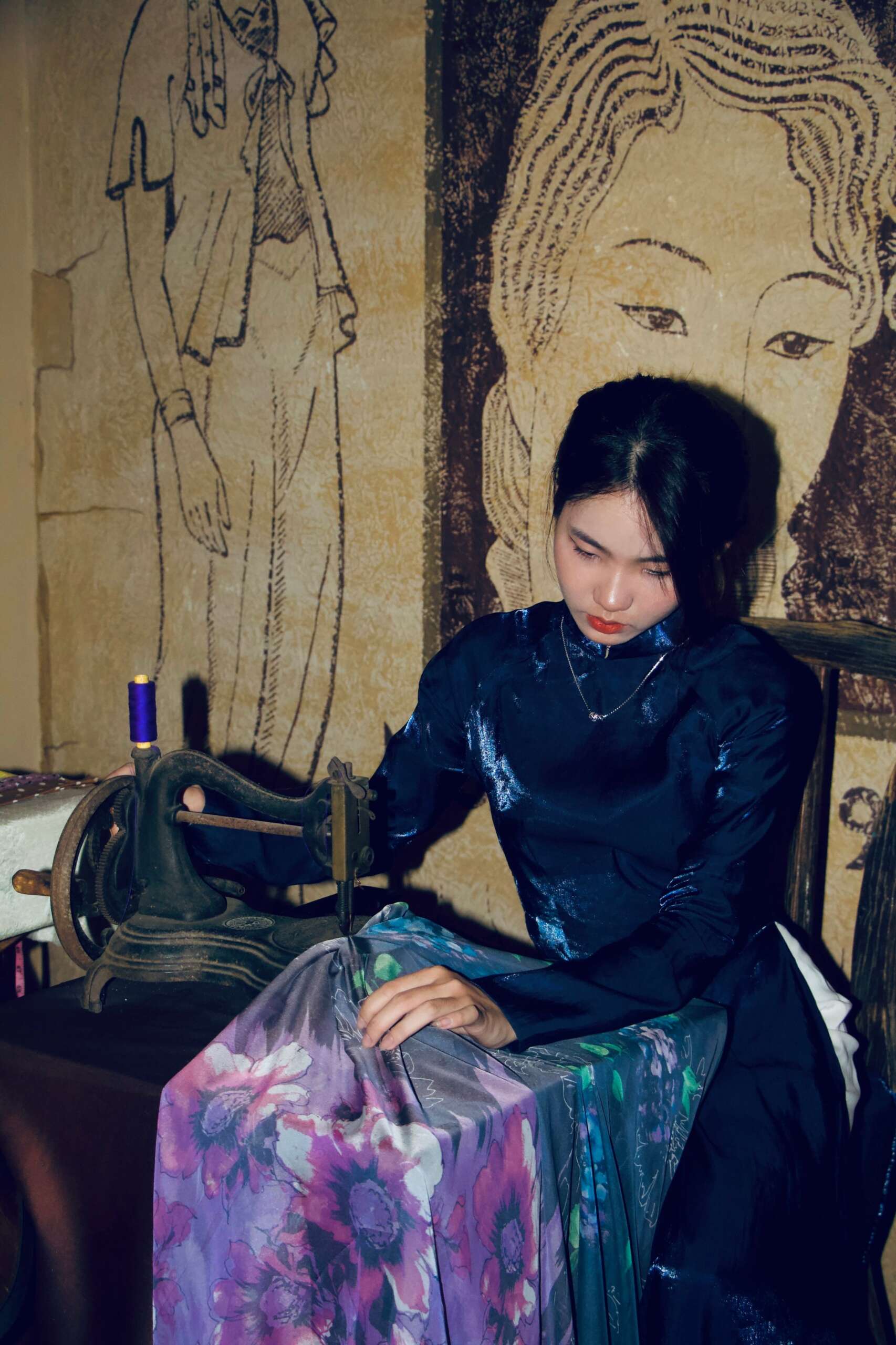
A garment in a family archive can connect material, memory and uncertainty. Its label, construction and visible wear offer one kind of information; the stories people tell about it offer another. A thoughtful account keeps those sources distinct while allowing them to sit together.
You do not need a complete history for the object to be worth discussing. An unidentified occasion or uncertain date can remain part of the story. The aim is to preserve what is known and how it is known, rather than give the garment a more dramatic past than the evidence supports.
Begin with a description of the object
Record what you can observe: color, shape, visible labels, closures and notable details. Describe the garment in ordinary language before trying to classify its period or significance. A clear description gives future readers a reference even if an early interpretation later changes.
Photograph relevant details if it is appropriate and can be done without harming the object. Keep the images connected to the notes. A label or fastening may be useful to revisit, while a single distant photograph can leave important questions difficult to assess later.
Avoid treating appearance as proof of origin. A garment that looks old may have a more recent history, and a style associated with one period may have been worn in another. If dating or identification matters, seek reliable expertise rather than turning a resemblance into certainty.
Ask for memories separately
Invite family members to describe what they remember without first supplying a complete story for them to confirm. Ask where they saw the garment, who wore it and what makes them connect it to a particular occasion. The wording can influence how a memory is expressed.
Record who provided the account and when, with their permission and appropriate privacy care. A recollection is valuable as a person’s memory even when it cannot be independently verified. Attribution allows the story to remain meaningful without pretending every detail is established fact.
If two accounts differ, preserve the difference respectfully. One person may remember a wedding, another a later celebration. The disagreement does not need to be resolved through a confident guess. It can reveal how the object has traveled through different people and occasions.
Distinguish a known fact from a plausible connection
A dated photograph may show the garment clearly, while a story may suggest an earlier use. State the evidence at its actual level. “Visible in a photograph from this year” is different from “made in this year,” and the distinction can matter to the history you are building.
Use cautious language for an inference and explain its basis. If a family member believes the garment belonged to a particular person because it was stored with their belongings, record that reasoning rather than removing the uncertainty in the final account.
The goal is not to make the story sound academic. It is to keep future readers from inheriting an assumption as a fact. A few clear phrases can preserve the difference between what the object shows, what someone remembers and what the writer has inferred.
Let ordinary use remain part of the story
A garment does not need to have appeared at a major event to carry meaning. Repeated everyday use can reveal habits, preferences and practical arrangements. A repaired pocket or a changed fastening may prompt a question about how the piece was worn.
Do not invent a reason for every mark. A stain, alteration or worn area may remain unexplained. You can describe it and ask whether anyone remembers its history without turning it into evidence of hardship, romance or resilience because those themes make a more dramatic narrative.
The ordinary details can be enough. A person may remember the sound of a particular closure or the way the garment was stored, but only include those details as their attributed account. The specificity belongs to the memory, not to a scene the writer has reconstructed without evidence.
Keep care decisions separate from storytelling
An inherited garment may be fragile or have materials you cannot identify. Do not clean, alter or wear it simply to create a better photograph or a more complete story. If preservation matters, seek appropriate textile-conservation guidance for the actual object.
The article you write can remain useful without handling the garment extensively. Existing photographs, careful observation and family accounts may provide enough material. A story should not require the object to be changed before it becomes interesting.
If a repair or alteration has already occurred, record it accurately where relevant. The object’s later life is part of its history too. Avoid presenting it as untouched if that is not known, and avoid assuming that a change necessarily reduced its personal significance.
Ask what can be shared publicly
Family stories can include private information about people who did not choose to be part of a public feature. Discuss the intended use of memories and photographs before publishing them. Permission to hear a story is not automatically permission to share every detail with an audience.
Keep the public account focused on the garment and the relevant context. You can omit private addresses, sensitive circumstances and unrelated personal details without making the story less honest. Specificity should serve understanding, not simply create intimacy for the reader.
Where names or images are included, check the appropriate permissions and context. If a detail cannot be shared, do not replace it with a fictional version presented as true. A clear boundary or a narrower story is preferable to an invented history.
Write an ending that leaves room for discovery
The account may end with an unanswered question: an unknown maker, an uncertain occasion or a label that needs further research. That openness can invite a later correction or contribution. It does not mean the story has failed to reach a satisfying conclusion.
Summarize what the object allows you to understand now. Perhaps it connects two photographs, preserves a remembered preference or reveals how an item moved between family members. Keep the conclusion close to the evidence rather than asking the garment to symbolize an entire generation.
An honest archive remains revisable. Store the notes, sources and uncertainties together so a future reader can see how the account was assembled. The story becomes more valuable because it can be updated without losing the distinction between memory, observation and interpretation.
Keep the original wording of an important memory alongside any edited public version. The fuller record can preserve a qualification or uncertainty that was shortened for readability. If new information appears, add it with a date and source rather than silently replacing the earlier account. This lets the archive show how understanding developed over time.
Questions about family clothing stories
Does the garment need to be valuable or historically important?
No. Personal significance and ordinary use can support a meaningful account. Do not invent broader historical importance where it has not been established.
What if family members remember different things?
Attribute the accounts and preserve the uncertainty. Differences can remain part of the record rather than being resolved through an unsupported choice.
Should I restore the garment before documenting it?
Do not assume restoration is necessary. If preservation is a concern, seek appropriate advice for the particular object before cleaning, altering or wearing it.
Explore more
Look Before You Read the Label: A Personal Method for Visiting a Fashion Exhibition
Browse Culture for more from LEGACIQ.
