


CULTURE
Look Before You Read the Label: A Personal Method for Visiting a Fashion Exhibition
Visit a fashion exhibition with a slower method: observe a garment, read its context, compare details and keep a small record of the questions it opens.
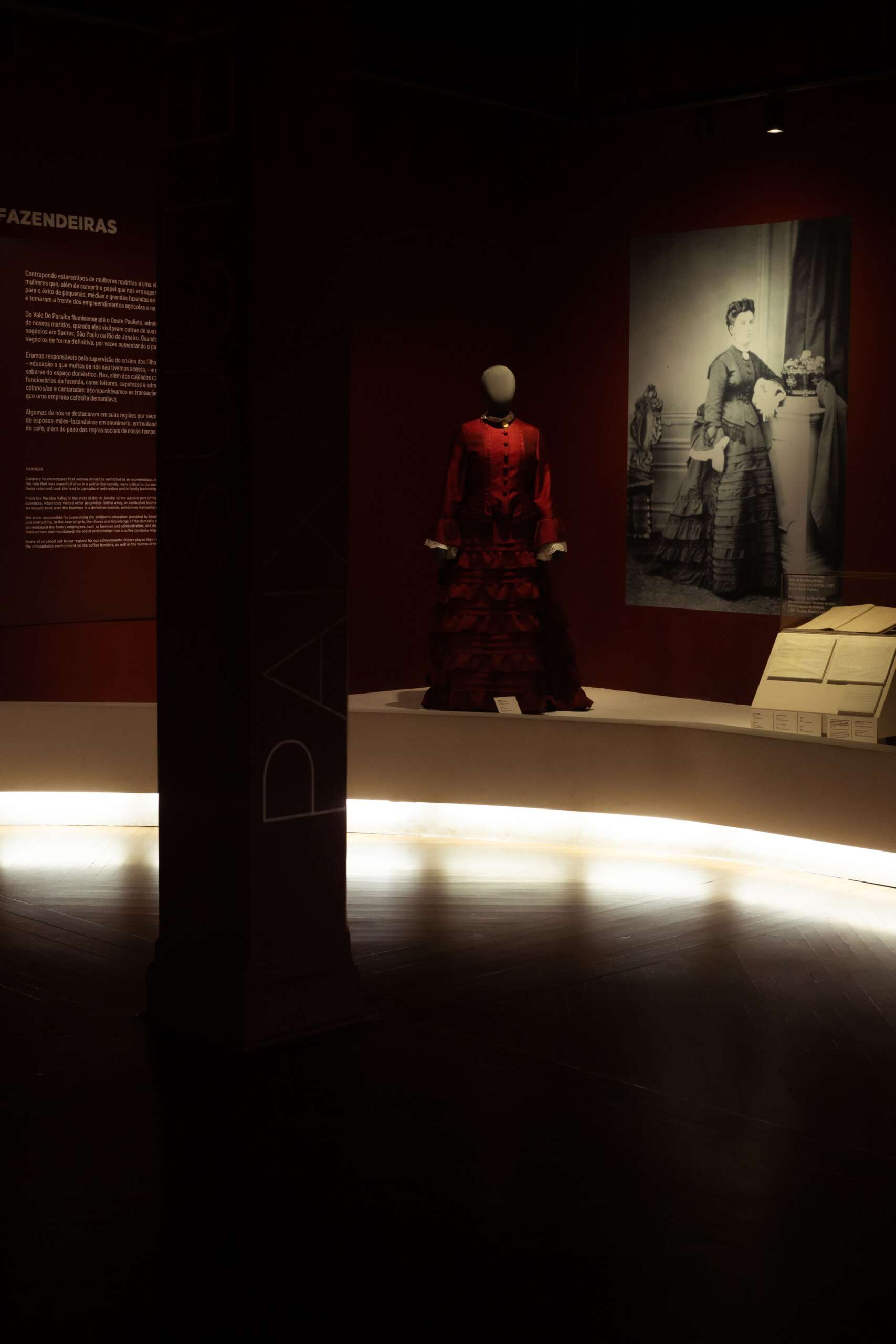
A fashion exhibition can be approached as a conversation between looking and reading. Begin with what you notice in a garment, then use the label and exhibition context to test and deepen that first impression. You do not need specialist vocabulary to start, and you do not need to see every object with equal intensity.
This guide offers a personal viewing method rather than information about a particular exhibition. Follow the venue’s current visitor rules, including photography and access instructions. The method should fit the actual space and your needs, not become another task that makes the visit harder to enjoy.
Choose one object to slow down with
Instead of beginning with the ambition to understand the whole exhibition immediately, select a garment that catches your attention. Notice its overall shape, the distribution of color and the relationship between decorated and quieter areas. Give the first observation a little time before reaching for an explanation.
You might ask where the eye goes first and what happens when you look elsewhere. A dramatic silhouette can conceal a small detail that changes how the garment feels. A restrained object may become more complex as seams, closures or material contrasts become visible.
The choice does not need to be the exhibition’s most famous piece. Personal attention is a valid starting point. You can learn something from a minor object that interests you without proving that you selected the most important work in the room.
Describe what you see in plain language
Use ordinary terms: a sleeve widening away from the arm, a dark edge around a pale surface or a line of fastenings that changes direction. A precise description is more useful than an impressive technical word used uncertainly.
Keep questions separate from observations. You may wonder whether a surface is embroidered or printed, or whether a fold is constructed into the garment. If the display does not make the answer clear, leave the question open until you find reliable information.
This first description is not a test you can fail. It is a record of your encounter before additional context changes it. You can revise it later, and the revision may be the most interesting part of the visit.
Read the label for information that changes the view
Now read the relevant label and broader section text. Notice which details alter your understanding: the date, maker, material, intended use or a connection to another object. Distinguish the information provided by the exhibition from your own interpretation.
Return to the garment after reading. Can you see the feature the label discusses? Does the context make a previously quiet detail more noticeable? If the connection remains unclear, that is a useful question rather than a reason to assume you are looking incorrectly.
Do not treat the label as the end of looking. It provides a particular account within the exhibition’s argument. Your observation can continue alongside that account, with room for curiosity about what the display includes and what remains outside its scope.
Compare two objects through one question
Choose a second object that shares a visible relationship with the first. Compare the treatment of volume, a closure, a surface or a repeated color. Keep the question narrow so the comparison does not become a vague competition over which garment you prefer.
The objects may come from different contexts, so use the labels to avoid assuming a direct influence or shared purpose. Similar appearance is not proof of a historical connection. You can describe the resemblance while remaining clear about what has and has not been established.
The comparison may sharpen your understanding of both. A broad silhouette can appear more controlled beside a softer one, or a decorative surface may become easier to read when contrasted with an undecorated object. The relationship is a way of looking, not necessarily the exhibition’s own claim.
Notice the display as part of the experience
Lighting, placement and viewing distance affect what you can see. A garment may be shown on a form, behind glass or in a position that reveals one side more clearly than another. Recognize those conditions when forming an interpretation.
Do not assume that the displayed silhouette perfectly reproduces every way the garment behaved when worn. The object in the exhibition is being presented through curatorial and practical choices. Those choices can be interesting without making the display less valuable.
If the exhibition explains its display methods, read that information where relevant. Otherwise, keep claims limited to what is visible. You can note that a particular angle is unavailable without inventing the reason or treating the limitation as a flaw in the entire exhibition.
Keep a small record of a useful question
If note-taking suits you, write one observation and one question rather than trying to capture every label. The observation preserves what interested you; the question gives you a route for later reading. Follow the venue’s rules for photography and recording.
Record identifying information accurately enough to find the object again through an official catalogue or collection resource where available. A vague note about a red dress may be difficult to use later, while the title or accession information supplied by the venue can provide a reliable reference.
The record does not need to become public content. A private note can support your own interest. If you later write about the visit, distinguish your observation from information supplied by the exhibition and cite the relevant source for factual claims.
Leave room for what you did not understand
An exhibition can introduce unfamiliar techniques, histories and references. You do not need to resolve every question during the visit. Identify the one that interests you most and look for a reliable source afterward, preferably the museum’s own material or relevant specialist scholarship.
Avoid filling gaps with a familiar story simply because it sounds plausible. A garment’s appearance may suggest a connection that the available evidence does not support. Curiosity is more productive when it remains open to correction.
The visit can end with a changed observation rather than a complete understanding. Perhaps a detail you initially overlooked became central after reading, or a comparison raised a new question. That is a meaningful result of looking carefully, even if many objects remain only briefly seen.
Before leaving, return to the object you chose at the beginning if the route and your time allow. Notice whether the surrounding exhibition has changed your response to it. You may now see a connection, a contrast or a detail that was not apparent at first. The return gives the visit a personal shape without requiring a complete account of everything in the room.
Questions about fashion exhibitions
Do I need fashion-history knowledge before visiting?
No. Begin with observation and use the exhibition’s information to build context. Specialist knowledge can deepen the experience, but it is not a prerequisite for attention or curiosity.
Should I photograph every object?
Follow the venue’s rules and choose what serves your visit. A few accurate notes or permitted images may be more useful than a large record you never revisit.
Can I disagree with an exhibition’s interpretation?
Yes. Keep the distinction between factual information and interpretation clear, and explain the evidence behind your own reading rather than replacing the account with an unsupported assumption.
Explore more
A Garment in the Family Archive: Preserving the Story Without Inventing It
Browse Culture for more from LEGACIQ.
