


MODELS
Beyond the Frame
Confidence, identity and preparation shape a model long before the final photograph. Explore the experiences behind presence, collaboration and growth in front of the camera.
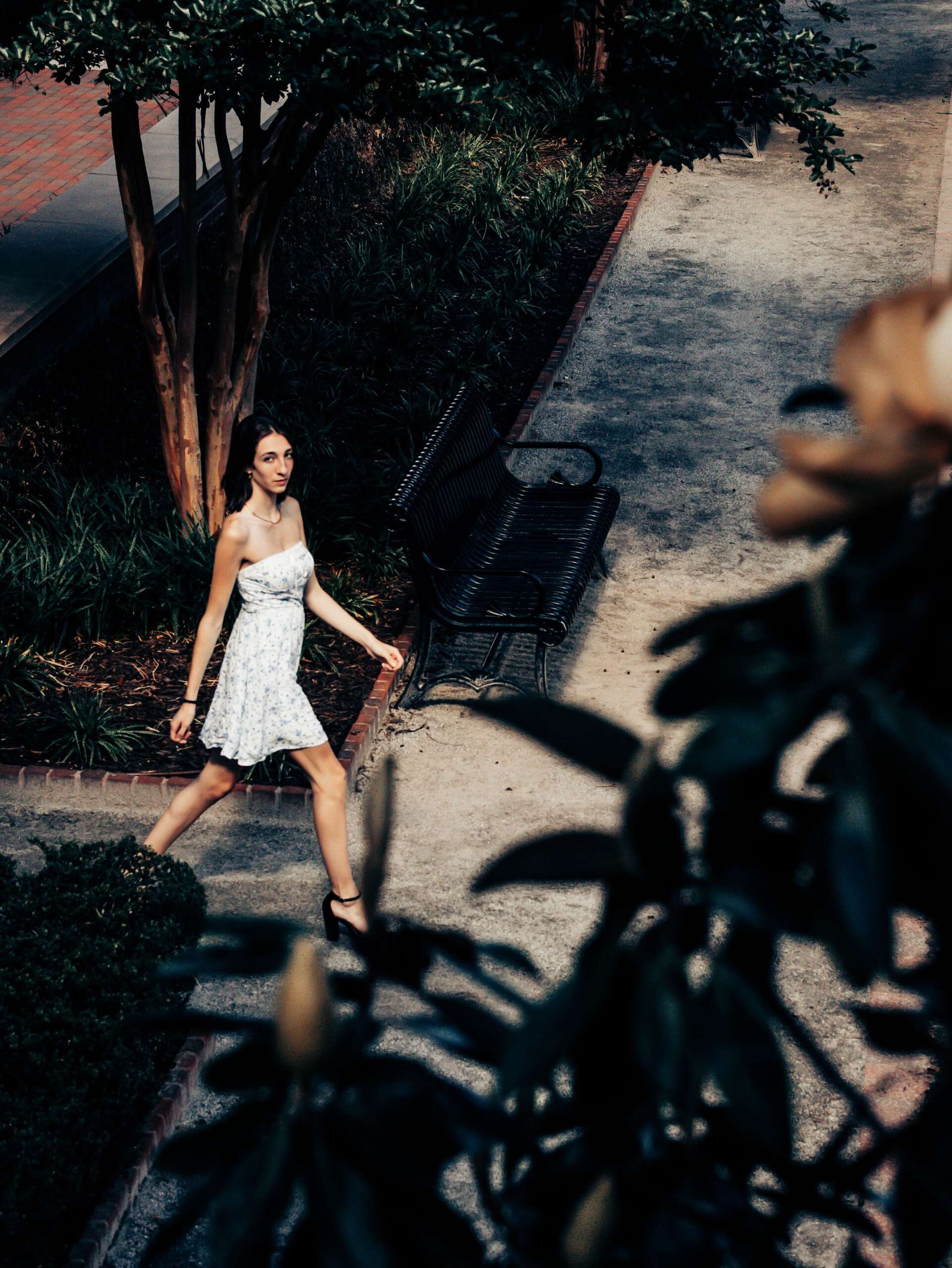
A finished photograph can make modeling look effortless. The frame holds a gesture, a look and a fraction of a second. What it does not show is the accumulation of choices that helped create that moment: preparation, uncertainty, practice, collaboration and the gradual development of a point of view.
For models, the journey is not simply about learning how to pose. It is about learning how to participate in an image without disappearing inside someone else’s concept.
Confidence is built, not performed
Camera confidence does not mean feeling certain in every situation. A new photographer, unfamiliar styling or a difficult creative brief can unsettle even an experienced model. The useful skill is not eliminating uncertainty; it is learning how to work through it.
That confidence grows through repetition. Each set teaches something about movement, timing, communication and the body’s response to direction. Over time, a model becomes less focused on whether every frame looks “good” and more attentive to whether the image is communicating what the team is trying to create.
Identity gives range a center
Editorial modeling often requires transformation. One shoot may be severe and architectural; another may be intimate, playful or quiet. Range matters, but range without identity can make a portfolio feel disconnected.
A recognizable model does not repeat the same expression in every image. Instead, a consistent quality remains underneath the changes: a way of holding tension, a particular relationship to movement, or an emotional clarity that makes different concepts still feel believable.
Preparation changes the quality of collaboration
Reading a mood board, understanding the clothing and asking useful questions before the camera starts can change an entire session. Preparation gives the model context. It allows direction to become a conversation rather than a series of corrections.
A tailored look may ask for precision. A beauty portrait may depend on small shifts in the eyes. A movement-driven editorial may need the model to think less about individual poses and more about transitions.
The model helps author the image
Strong image-making is collaborative. Photographers frame, stylists shape, beauty teams refine and models interpret. The model’s contribution is not passive. Posture changes a garment. Timing changes a photograph. An unexpected movement can redirect the entire sequence.
This is why the moments between poses often matter as much as the poses themselves. When the body briefly stops performing, something more specific can appear.
A career continues beyond the frame
Professional modeling is also built through qualities that never appear in a portfolio: reliability, communication, adaptability and respect for the team. Those qualities influence whether a creative relationship continues.
The image may introduce a model, but the way the model works often determines what happens next.
Beyond the frame is where confidence becomes practice, identity becomes visible and a collection of photographs begins to become a career.


