


CONFIDENCE
How to Build Confidence in Front of the Camera
Build camera confidence through small movements, clear communication and a practice session focused on expression rather than perfection.
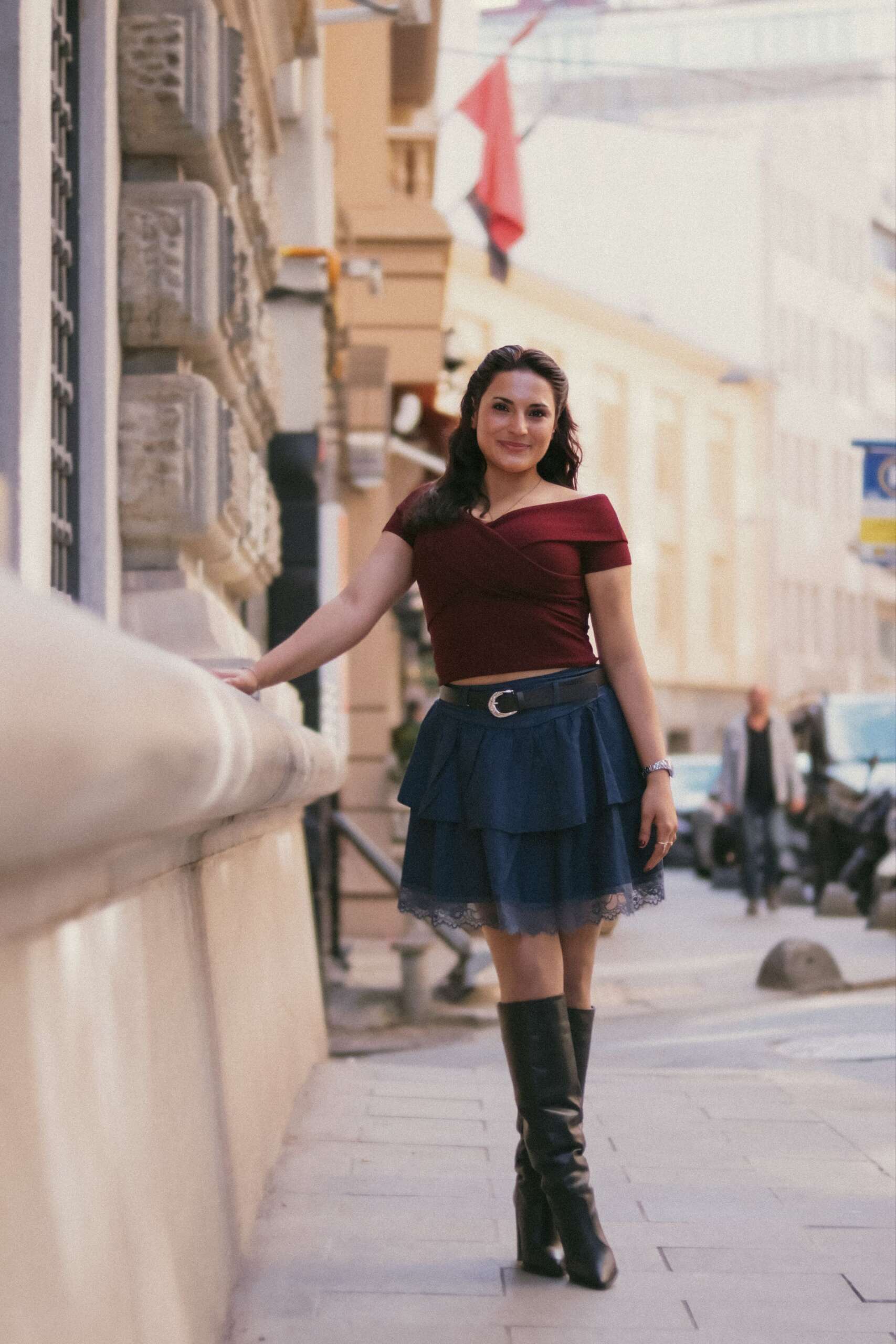
Being comfortable in front of a camera is not a requirement you must satisfy before a shoot begins. Comfort can develop during the process, especially when you understand the brief and have room to try things without treating every frame as a final result.
Start with a manageable goal: become more familiar with how you move, how you respond to direction and what helps you feel present.
Know what the image needs
Ask about the purpose and mood of the session. A relaxed portrait, a fashion editorial and a professional introduction ask for different kinds of energy. A few shared references can make direction more concrete, provided you use them to understand an idea rather than copy someone else’s appearance.
Agree on boundaries before the shoot. You can ask questions about wardrobe, posing, who will be present and how the images will be used. Clear expectations help you concentrate on the work.
Begin with small movements
Choose a comfortable starting position. Shift your weight, turn slightly, let your hands rest or move your gaze away from the lens. Change one thing at a time so you can notice its effect.
You do not need a large collection of poses. A short sequence—standing, turning and returning to stillness—can offer more variety than holding an elaborate position that feels unnatural.
Give your attention somewhere to go
Thinking constantly about how you look can make movement feel rigid. Try a simple action that fits the brief: adjusting a sleeve, looking toward a window or sitting down with intention. Ask the photographer for a specific prompt if broad directions such as “be confident” are not helping.
A useful direction gives you something to do, not a personality you are expected to produce on command.
Review images with a purpose
If the session allows image review, look at a small selection with the photographer. Ask which changes helped communicate the mood. Evaluate the image as a collaboration involving light, angle, styling and timing.
Choose one adjustment for the next sequence. Avoid turning every unsuccessful frame into a verdict about your appearance. Exploration naturally produces pictures that will not be selected.
Build a repeatable practice
Try a brief practice session in familiar clothes and a comfortable space. Work through a few movements, review what felt natural and stop before the exercise becomes exhausting. Over time, keep the prompts that help and let the rest go.
Confidence in front of the camera can be quiet. It may look like asking for clearer direction, taking a break or trusting a simple gesture. The goal is greater freedom to participate in the image, one useful experience at a time.

