BEAUTY
The Beauty Look Has a Point of View: Choose What the Eye Notices First
Create a cohesive beauty look by choosing a focal point, controlling contrast and deciding which details can stay quiet around it.
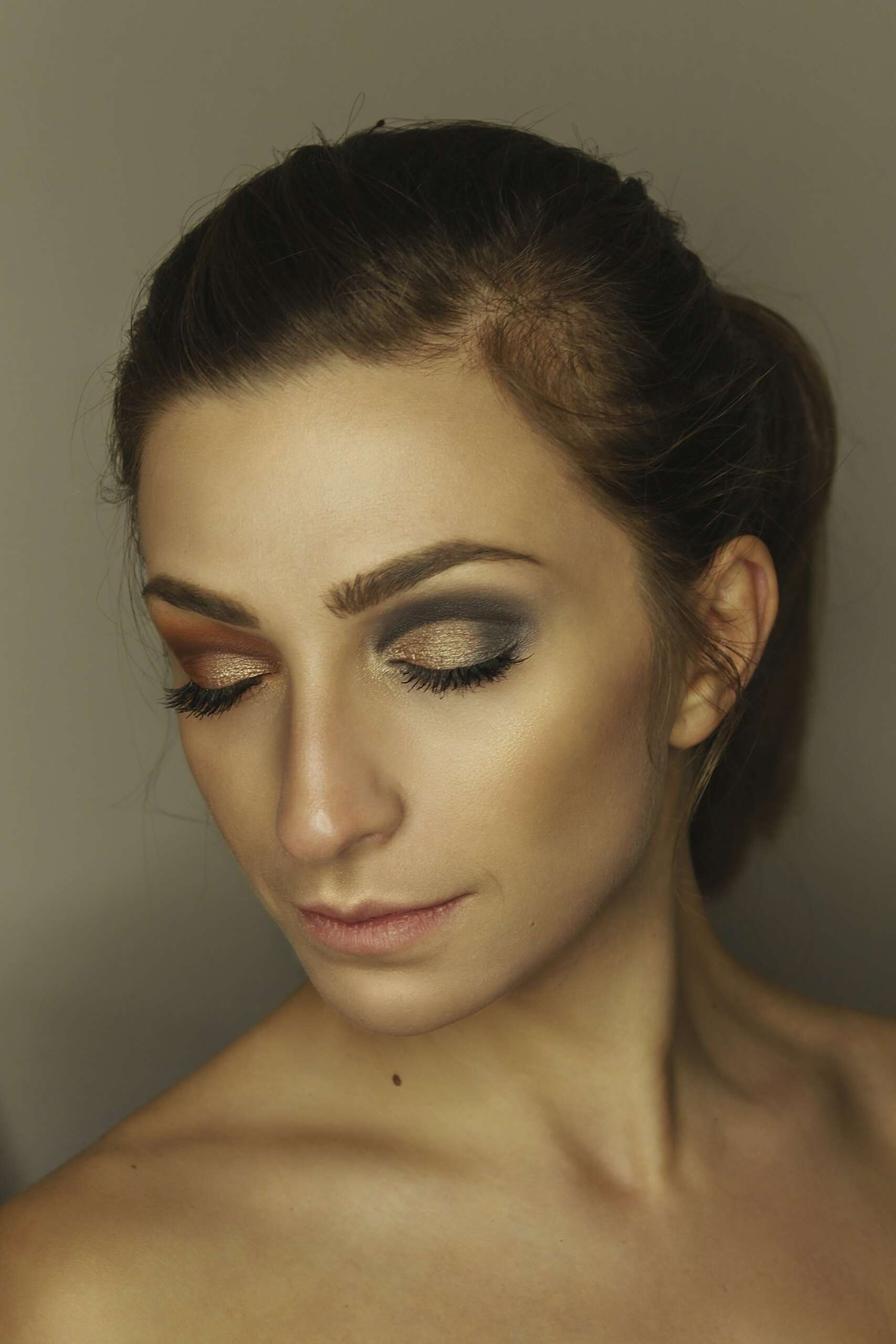
A cohesive beauty look does not require every feature to receive equal emphasis. It becomes easier to read when you decide what the eye should notice first and how the remaining details support that choice. The focal point could be a color, an edge, a texture or the overall shape of the hair.
This is a creative styling exercise, not a rule about correcting a face. The face does not need to be made more balanced, younger or closer to a particular ideal. The question is how you want the finished look to communicate in a particular setting.
Start with a sentence rather than a product list
Try a description such as “a precise dark line surrounded by soft textures” or “one warm color repeated quietly.” A sentence gives the look a direction while leaving room for different products, techniques and preferences. A shopping list can lock in choices before you know how they relate.
Keep the sentence concrete. Words such as effortless and elevated may describe an aspiration, but they do not tell you where to place emphasis. Name the visible contrast you want to explore. Precision beside softness, shine beside matte surfaces, or a concentrated color beside a restrained palette gives you something to assess.
Decide what should remain quiet
Every added detail changes the hierarchy. If a lip color is the central idea, a highly defined eye may share the attention rather than support it. That may be exactly what you want. The useful step is to make the decision consciously instead of assuming that completing the look means increasing emphasis everywhere.
Quiet does not have to mean bare or invisible. It can mean softer edges, a color closer to the surrounding tones, or a less reflective finish. You can keep a detailed eye and lower the contrast elsewhere. The relationship matters more than the number of products involved.
Consider the frame around the face
Hair, clothing and accessories contribute to the beauty image. A high neckline may bring attention upward; a broad collar may create another strong shape beneath the face. A reflective earring can compete with a small highlight or make it feel part of a larger rhythm.
Assess those elements together before deciding that the makeup needs more intensity. Sometimes changing an accessory or moving a strand of hair makes the central idea clearer without adding anything to the face. For an editorial shoot, include the neckline and jewelry in the test frame rather than reviewing an isolated face crop only.
Check the look at two distances
At close range, you can see edges, transitions and small marks. At conversational distance, you see the overall distribution of contrast. Both views matter, but they may suggest different adjustments. A tiny detail can be satisfying up close without needing to dominate the entire image.
If you take a test photograph, treat it as one representation. Camera settings, light and display can change how color and texture appear. Do not assume the photograph is a more truthful verdict than your experience in the room. Decide whether the look is being made primarily for a photograph, an event or your own enjoyment.
Make one revision with a clear purpose
When something feels unsettled, identify the relationship before changing it. Perhaps two dark areas pull attention in different directions, or a reflective texture appears more prominent than expected. Adjust one element, then review again.
Adding more can obscure the original idea. Removing a competing accessory, softening one edge or changing the hair placement may be enough. There is no obligation to achieve a perfectly unified result. A deliberate interruption can be the most personal part of the look.
Keep a record of the idea that worked
If you want to repeat the look, note the decision rather than only the products. “The rounded hair shape worked with the straight neckline” tells you something useful even when the exact clothes or makeup change. Record any practical preferences too, such as a finish you enjoyed wearing or a detail that needed more maintenance than you wanted.
The record is not a scorecard. Its purpose is to make your own preferences easier to recognize. A beauty point of view can be consistent without becoming a fixed identity you must perform every day.
Questions about cohesive beauty styling
Can a look have more than one focal point?
Yes. Multiple focal points can create a deliberate conversation. Notice how they relate through color, shape or contrast so the effect feels intentional to you.
Does a restrained look need less planning?
Not always. A small number of visible decisions can make each one more noticeable. Planning can help, but restraint is not a measure of effort or sophistication.
What if I prefer a look that breaks these relationships?
Keep it. This method offers questions for experimentation, not standards you need to meet. Your preference is a valid reason for choosing a combination.
Explore more
Matte Beside Shine: The Beauty Detail You Notice Before the Color
Browse Beauty for more from LEGACIQ.