


EMERGING TALENT
The First Body of Work: When Separate Experiments Begin to Belong Together
Explore how a first creative body of work gains coherence through repeated questions, deliberate selection and the relationship between individual pieces.
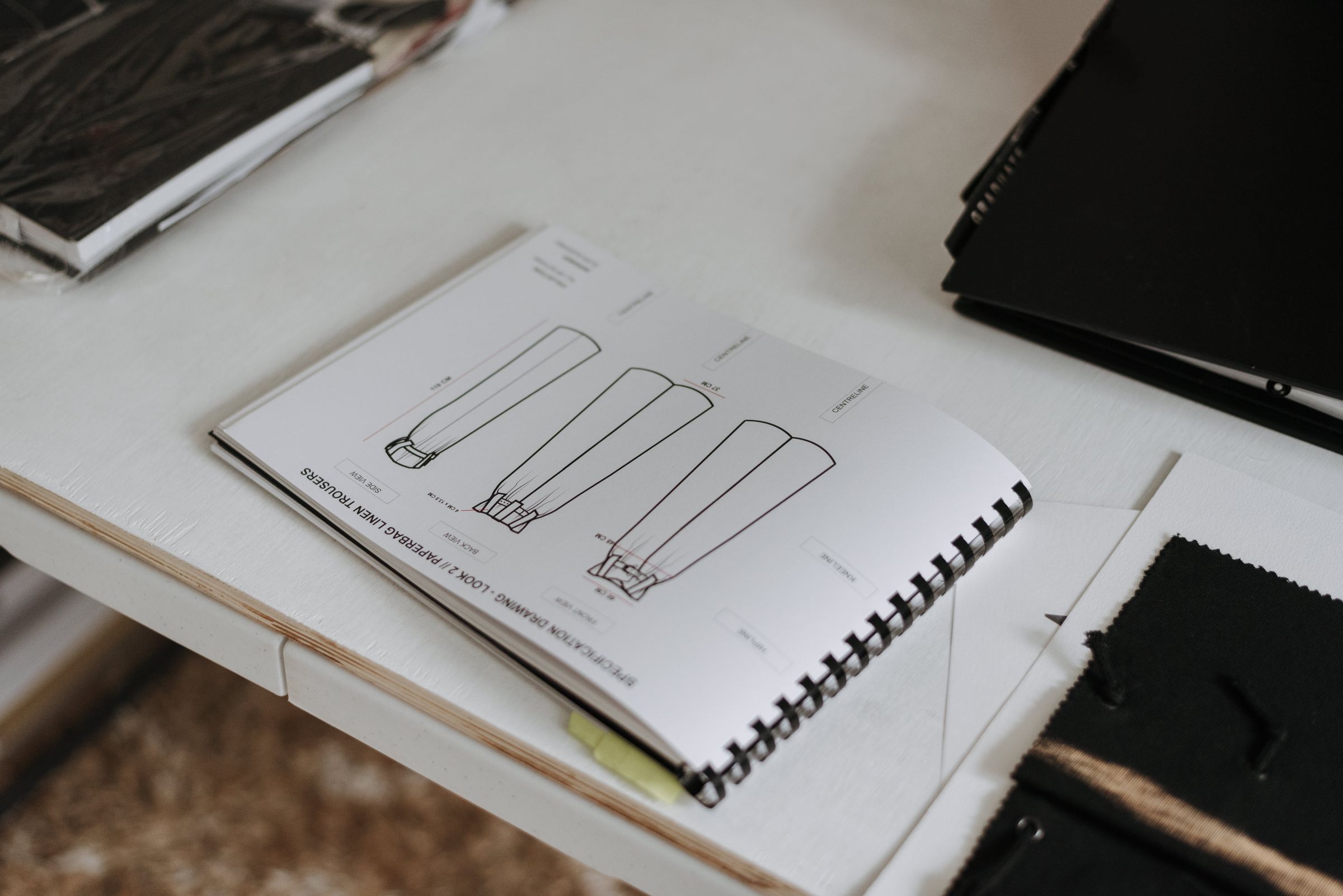
A first body of work begins to feel coherent when the pieces share a question, a method or a recurring concern. They do not need identical colors or a polished explanation of a permanent identity. The connection can be a pattern of attention that becomes visible only when several experiments are placed together.
For an emerging creative, that recognition can be more useful than rushing to define a signature. A signature suggests something already settled. A body of work can remain open, showing both a clear interest and the different ways the person is learning to approach it.
Place the work together before naming it
Arrange a small selection where it can be considered as a group. Look for recurring decisions: a certain kind of framing, a repeated material relationship, a question about movement or a preference for interrupted sequences. Describe what is visible before deciding what it means about the creator.
An attractive theme can be imposed too quickly. If the explanation requires ignoring half the pieces, it may be more useful to separate two developing directions than force them into one narrative. Coherence can come from a considered selection rather than a claim that everything ever made belongs together.
Choose the piece that changes the reading
The most important work in the selection may not be the most polished. A less resolved experiment can reveal the question behind the others. It might show a transition from one approach to another or make a recurring choice easier to recognize.
Keep its status clear. An unfinished test should not be presented as a completed commission, and a personal experiment should not imply a client relationship that did not exist. The work can contribute to the story without acquiring credentials it has not earned.
Let the explanation remain provisional
A concise statement can identify the current interest without promising that it will define every future project. “These images explore how a figure occupies a narrow space” is a useful description of a particular group. It leaves room for the next project to ask something different.
Avoid writing a biography around a direction that has only just appeared. The creator does not need to have been obsessed with the subject since childhood for the work to be meaningful now. A recently discovered question can be a strong starting point.
Show development without inventing inevitability
If process material is included, choose stages that explain a real change. A revised crop, a different scale or a removed element can help the viewer understand the decision. There is no need to make every early sketch look like a prophecy of the final result.
Some experiments will remain disconnected. They can stay in the archive without being turned into evidence of progress. The first body of work becomes more convincing when the selection admits its boundaries and gives the relevant pieces enough space to be understood.
Give the work accurate context
Identify dates, collaborators and the nature of each project where relevant. A viewer should be able to distinguish independent work, a class exercise and a commissioned result. These contexts do not determine the artistic value, but they prevent avoidable misunderstanding.
Credit shared contributions precisely. A coherent personal direction can develop through collaboration, and acknowledging that collaboration does not dilute it. The account should help the viewer see both the creator’s decisions and the relationships that made the work possible.
Questions about an emerging body of work
Does every piece need to look alike?
No. Coherence can come from a shared question or method rather than a uniform surface. Meaningful variation can make the central interest clearer.
Should unfinished work be hidden?
Not always. A selected experiment can be useful when it explains a development and its status is clear. Include it for a reason, not simply to increase the volume of material.
When is it time to write a statement?
Write one when it helps a viewer understand the selection. Begin with what the work actually investigates and revise the statement as the work develops.
Can a new direction coexist with the first one?
Yes. Separate or connect them according to the evidence in the work. You do not need to make an early choice into a permanent restriction on future practice.
Explore more
The Introduction Without the Apology: Presenting Early Creative Work
Browse Emerging Talent for more from LEGACIQ.

