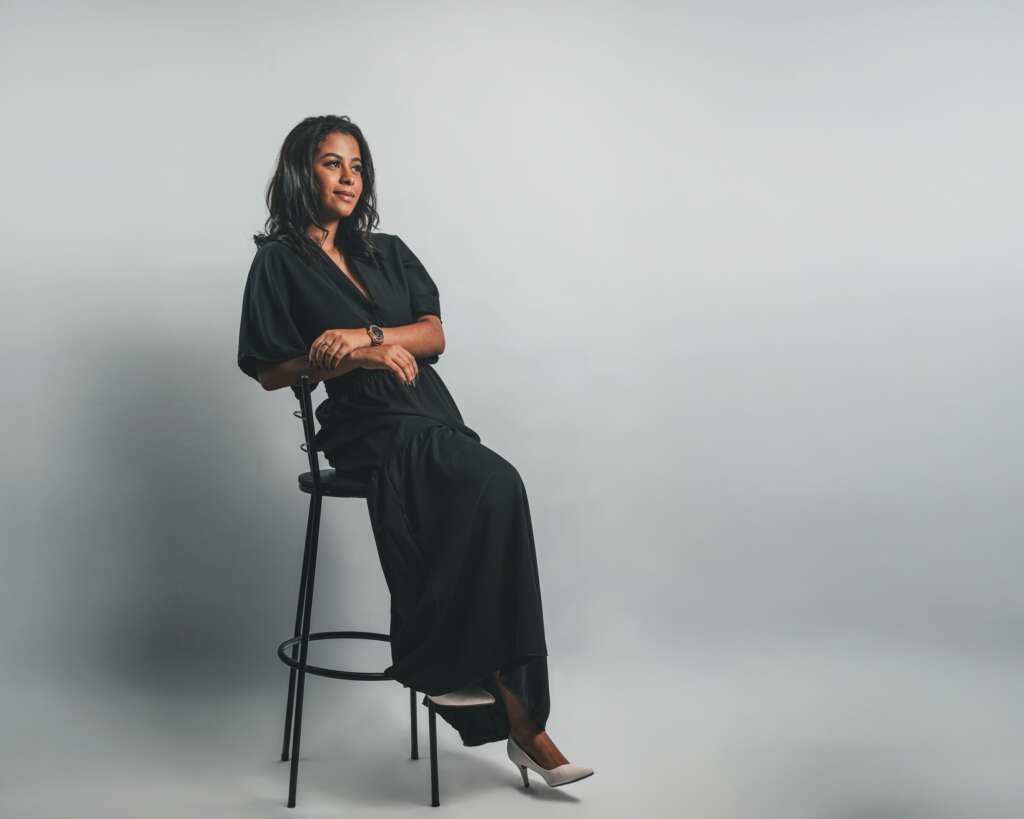
PEOPLE TO WATCH
Worth Watching, Worth Explaining: What an Emerging-Talent Feature Should Show
Identify creative talent through a specific body of work, verified contributions and developing questions, instead of treating visibility as proof of future success.

A person can be worth watching because their current work raises an interesting question, demonstrates a clear approach or suggests a direction worth following. The phrase should begin an explanation, not replace one. A feature becomes useful when it shows readers what to notice and why the work deserves attention now.
This article sets out an editorial approach to identifying creative talent. It is not a ranking of named people or a prediction of commercial success. No writer can guarantee who will become influential, and a thoughtful introduction does not need that guarantee to be valuable.
Start with the work that exists
Choose a specific project or group of pieces as the basis for the feature. Describe its status accurately and identify the person’s contribution. A strong public presence may help readers find the work, but it is not a substitute for examining it.
Ask what the project does that you can explain. Perhaps it develops a particular use of scale, brings an unusual question to a familiar format or makes a difficult idea easier to understand. Support the observation with an example rather than a broad declaration of originality.
Be careful with first and never-before claims. Establishing that no one has explored a similar idea requires evidence far beyond an initial impression. You can describe a distinctive decision within the work without claiming it is unprecedented in the entire field.
Separate attention from evidence
Audience size, awards and coverage can provide context, but each tells only part of the story. A large following does not explain the work’s quality, and limited visibility does not prove that a person is an undiscovered genius.
Use recognition accurately when it is relevant. Verify the name, date and nature of an award or selection rather than repeating a vague description from a short biography. Do not let the list of credentials replace the article’s own account of what is interesting.
The reader should be able to understand the feature even if the recognition were removed. If the case for attention depends entirely on other people having paid attention already, return to the work and identify the editorial reason for covering it.
Look for a developing question
An emerging practice may be most compelling where it remains open. Ask what the person is testing and what the latest project has made them reconsider. A developing question gives the reader a reason to follow the next work without requiring a prediction about fame.
Keep the question connected to evidence. If the person describes it in an interview, attribute the account. If it is your interpretation of the work, say so through the wording. Do not present your reading as a private intention the creator has never expressed.
The feature can include a tension or unresolved aspect. Attention does not require unconditional praise. A specific discussion of where an idea is persuasive and where it is still developing can be more respectful than a promotional paragraph that could apply to anyone.
Verify the relationship between person and project
Creative work often involves teams. Confirm who conceived, made, directed, edited or contributed to the part being discussed. A person may have a clear point of view while relying on the distinct expertise of collaborators.
Avoid assigning an entire project to the most visible participant. If the feature focuses on one person, explain their role precisely and credit the others where relevant. This helps readers understand what the person actually brings to the work.
Check images and captions against the same standard. A photograph of a project should not imply a contribution that the text later qualifies. The visual presentation and the written account need to tell a compatible story.
Ask questions that invite substance
Instead of asking why the person is one to watch, ask about a decision in the work. What changed between the first version and the final one? Which constraint mattered? What did a collaborator notice that altered the direction?
These questions give the subject a chance to explain their thinking without requiring them to perform self-promotion. The answer may contain a more distinctive introduction than a broad statement about ambition or inspiration.
If an interview is not available, write within the material you can verify. A critical introduction based on public work can be useful. Do not imitate the intimacy of a profile by inventing dialogue, working habits or personal scenes.
Give the reader a reliable route onward
Link to a verified portfolio, project page or other appropriate professional destination. Explain what the reader will find there. A direct route to the work makes the feature more useful than a list of social names without context.
Check that the destination belongs to the intended person and that the featured project is accurately identified. Similar names and outdated pages can create avoidable confusion. The final link is part of the editorial responsibility, not a minor technical detail.
Where work is not publicly available, say what can be shared. Do not imply that readers can buy, attend or access something that is still private or in development. A clear limit is more helpful than a vague invitation to discover more.
Replace prediction with a precise reason to return
The ending can identify the question you will be interested to see the person develop. Perhaps the next project may show whether a compelling small-scale experiment can operate in a different format. Keep that as an open interest rather than a guaranteed outcome.
The phrase worth watching then has a concrete meaning. It asks the reader to pay attention to a particular line of inquiry, a way of making or a developing body of work. That is a more durable invitation than declaring a future star before the evidence exists.
Check whether the feature could describe anyone
Remove the person’s name from a draft paragraph and ask whether it could be attached to many unrelated creatives. If the paragraph depends on words such as passionate, bold and boundary-pushing without examples, it probably needs more specific evidence.
Replace one broad claim with a decision from the work. Explain the unusual scale, the revised sequence or the particular material relationship. The reader can then understand the basis for your interest rather than being asked to accept a label.
This test also helps the subject. A feature that describes a recognizable approach gives them a more useful introduction than generalized praise. It does not need to compress the entire practice into one clever sentence; it needs to show enough of the work that the reader knows what the sentence refers to.
Questions about emerging-talent coverage
Does someone need awards to be worth covering?
No. A specific, interesting body of work can support a feature. Recognition may provide context, but it should not substitute for explaining the work itself.
Can a feature include criticism?
Yes. Concrete, fair criticism can clarify what is developing. Avoid personal judgments and explain the evidence behind the assessment.
Is it acceptable to predict future success?
An opinion can be identified as such, but certainty is unwarranted. A more useful feature explains why the current work deserves attention and what remains open.
What makes the introduction useful to the reader?
A clear example, accurate context, an explained contribution and a verified route to the work. These give the reader a basis for forming their own view.
Explore more
Return to the Second Project: Following Talent Beyond the First Announcement
Browse People To Watch for more from LEGACIQ.