DESIGNERS
Behind the Vision
From first reference to final garment, fashion design is shaped by research, material, fittings, revision and collaboration. Explore what happens behind a designer’s vision.
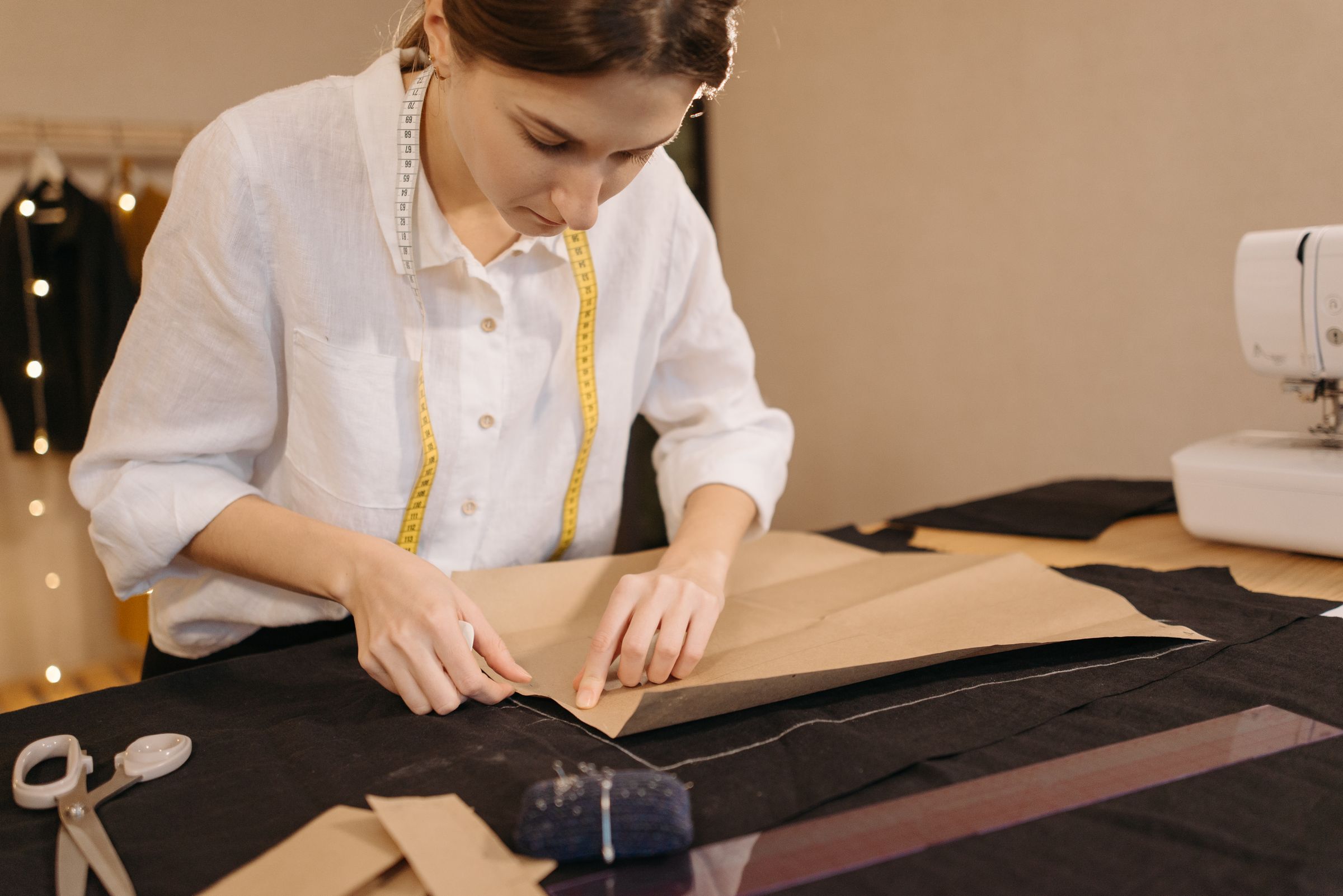
A finished garment makes a designer’s choices look settled. The proportion appears intentional, the fabric belongs to the silhouette and every detail seems to have been there from the beginning.
In reality, design is a sequence of questions. Ideas are tested, materials resist, fittings reveal problems and the original concept changes as it moves closer to the body.
A collection often begins with a question
Inspiration can come from architecture, memory, photography, music, landscape or a single piece of fabric. But a reference becomes useful only when the designer understands why it matters.
The strongest collections rarely reproduce references literally. They translate them. A historical image may become proportion. A landscape may become color. A personal memory may become texture or atmosphere.
Research gives the idea depth
Visual references are easy to collect. Context takes more work. Designers who research construction, history and cultural meaning can make more intentional decisions and avoid reducing a reference to decoration.
Research also creates options. The more clearly a designer understands the source, the more freely it can be transformed.
Fabric changes the drawing
A sketch has no weight. Fabric does. It stretches, collapses, reflects light and responds to movement. The material can strengthen an idea or expose its weakness.
This is why fabric selection is not a finishing step. It is part of the design itself.
Fittings are where theory meets the body
The fitting room changes everything. A line that looked elegant on paper may restrict movement. A volume may overwhelm the wearer. A detail may need to disappear entirely.
Revision is not evidence that the vision failed. It is how the vision becomes precise.
A signature develops through repeated judgment
Designers are often asked to define their signature early. In practice, signature emerges over time. Certain proportions return. Materials are handled in a recognizable way. The same tensions appear between softness and structure, restraint and ornament, familiarity and surprise.
A signature is less about repeating one motif than about repeating a way of making decisions.
Collaboration changes how the work is seen
Pattern makers, sample makers, stylists, photographers, models and beauty teams all influence how a collection is understood. The designer protects the central idea while allowing other disciplines to reveal possibilities that may not have been visible at the beginning.
The vision continues after the collection
Ideas rejected from one season can return later. A production problem may create a new construction method. Customer response may change the way a designer understands a piece.
Behind every finished look is a history of choices: what was protected, what was removed and what was allowed to evolve.
That history is the real work behind the vision.