DESIGNERS
Questions Worth Asking a Designer Before Writing a Profile
Ask fashion designers questions that reveal decisions, revisions and working methods. Build a more specific profile without relying on generic inspiration stories.
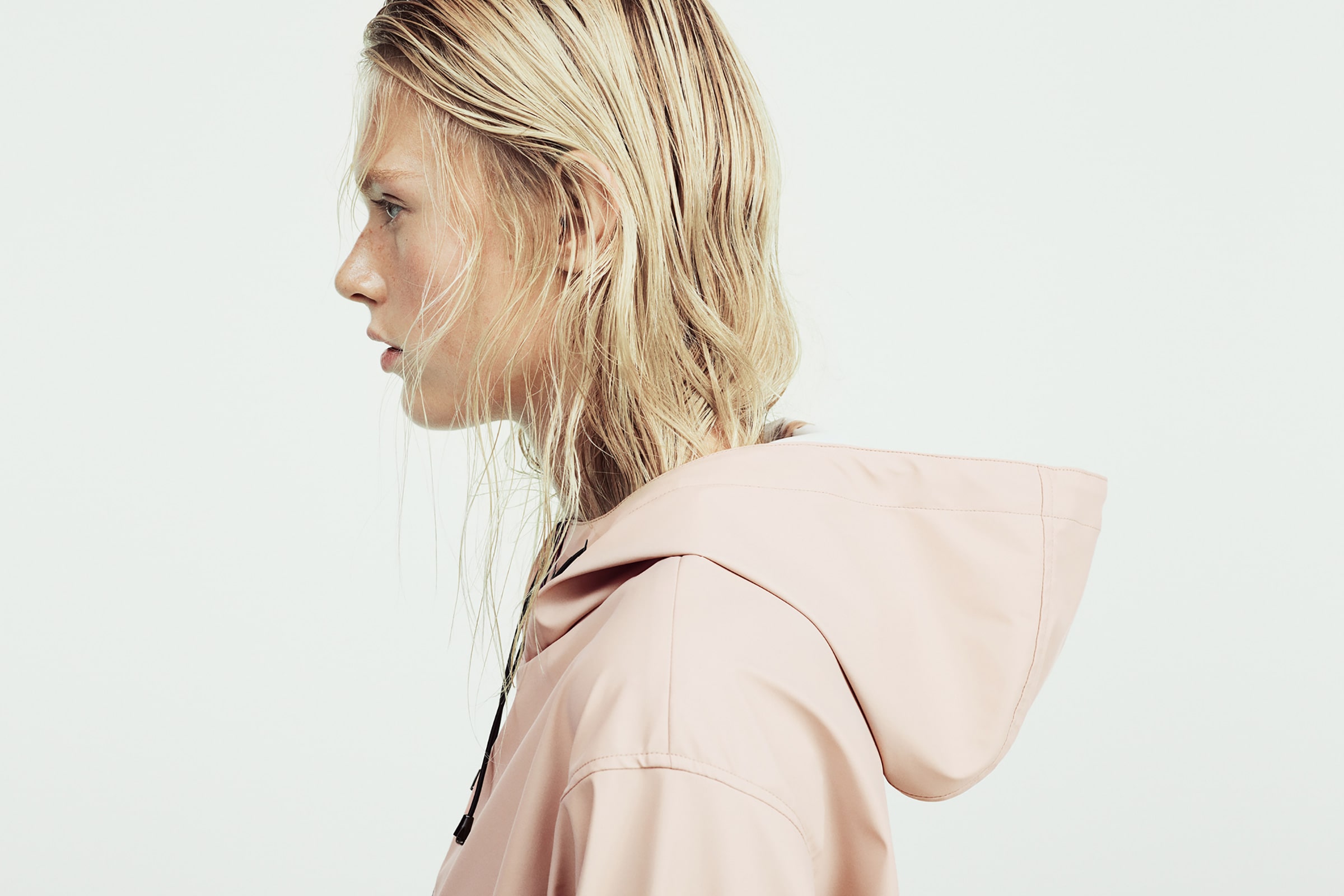
Useful fashion designer interview questions connect a visible garment to the decisions that produced it. Ask what changed, what proved difficult and what the designer chose to leave out. These questions generate more specific material than asking for a broad account of inspiration alone.
A profile becomes memorable when readers can connect a person’s way of thinking to something they can see. A revised pocket, a rejected fabric or a fitting adjustment can make that connection. The interviewer’s job is to create room for an explanation without supplying the answer in advance.
Start with one object
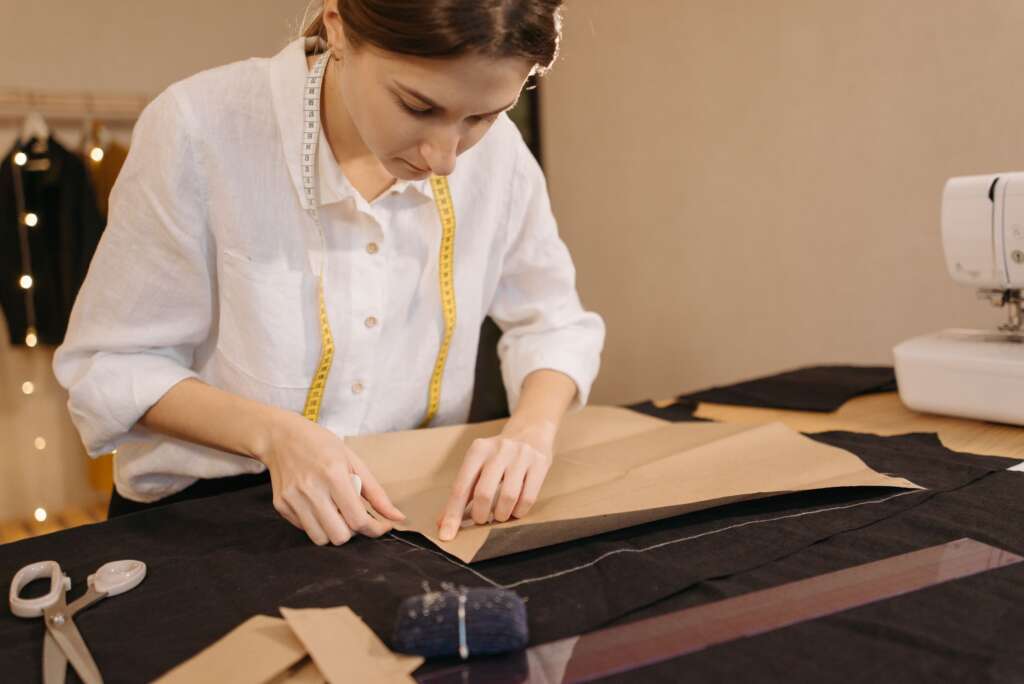
Choose a garment the designer is willing to discuss in detail. Ask which part came first: a shape, a material, a practical need or another starting point. Then ask what the earliest version looked like and how the current piece differs.
If sketches, samples or fitting photographs are available, request permission to discuss or reproduce them. Do not assume that everything shown during a conversation is cleared for publication. Separating access from publication permission protects both the process and the eventual story.
Ask about decisions that had consequences
“What did this fabric make possible?” invites a more useful answer than “Why do you love this fabric?” Follow with a question about limitations. Did the material alter the cut, the closure or the intended occasion for wearing the garment?
Ask what the team tested and who contributed to the result. A profile can acknowledge the designer’s direction while accurately crediting pattern cutters, makers and other collaborators. Avoid compressing a shared process into a single person’s unexplained moment of brilliance.
Make room for revisions
Invite the designer to describe a change of mind. Which detail disappeared between the first sample and the final version? What feedback was useful, and what advice did they decide not to follow? A considered refusal can be as revealing as a successful adjustment.
Keep the tone curious rather than prosecutorial. The purpose is not to expose a mistake for dramatic effect. It is to show how judgment develops through making. If the designer cannot discuss a particular commercial or personal detail, move to another example instead of treating the boundary as part of the story.
Verify the language before building the narrative
Confirm names, roles, dates and the precise status of the work being discussed. Distinguish a sample from a production garment and an intention from a completed outcome. Ask follow-up questions when terms are unfamiliar rather than replacing them with impressive-sounding language.
When writing, retain the difference between direct quotation, paraphrase and your own observation. A strong profile does not need invented dialogue or an exaggerated origin story. Specific decisions, clearly attributed, can reveal a working identity with much greater credibility.
Build a follow-up around a precise answer
If the designer says a sleeve changed because it restricted movement, ask which movement mattered and how the next sample addressed it. The follow-up connects a broad design principle to a visible choice. It also gives the subject a chance to correct any assumption in your question.
Avoid stacking several questions together. A long prompt about inspiration, technique, sustainability and commercial plans often receives an answer to only one part. Give each topic its own space, then return to any important detail that remains unclear.
Close with what comes next, without demanding a prediction
Ask what the current work has made the designer curious to explore. This can reveal an open question without requiring a promise about a future collection. If an upcoming project is not ready for publication, leave it out rather than turning a tentative conversation into an announcement.
After the interview, check the quotations against your recording or notes and resolve factual uncertainties. A factual check does not require surrendering your editorial interpretation. It means making sure the reader encounters accurate names, chronology and statements, with your own analysis clearly distinguishable from the subject’s words.
What if the designer gives a very general answer?
Return to the garment: ask for one example, one change or one moment in the process. Concrete prompts often make an abstract idea easier to explain.
Should every profile include personal history?
Only when it is relevant and the subject chooses to discuss it. A profile can be rich and distinctive through working methods, collaborations and design decisions alone.
Explore more
The Detail That Returns: How to Recognize a Designer’s Visual Language
Browse Designers for more from LEGACIQ.