BEHIND THE LOOK
Credit Is Part of the Image: Building a Beauty Editorial Credit List
Build accurate beauty editorial credits by recording names, roles, products and permissions while the project is still fresh, not after publication.
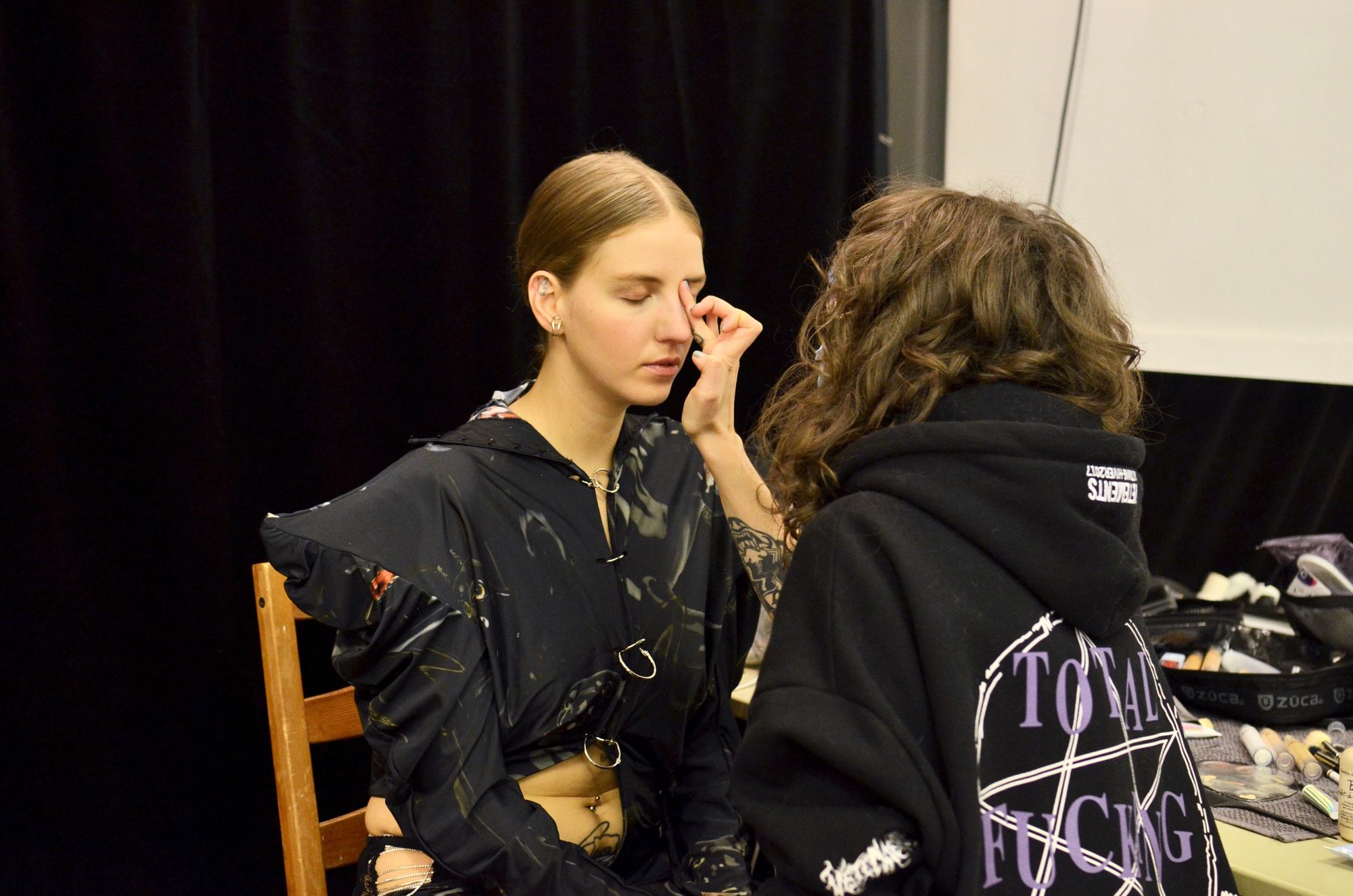
Beauty editorial credits tell readers who contributed to an image and, where relevant, what was used to create it. An accurate list begins during production, when names, roles and final styling choices can still be checked directly. Waiting until publication invites omissions and vague substitutions.
Credits are not a decorative block at the end of a story. They are part of the account of how the work was made. A clear system helps avoid assigning a shared result to the most visible person while leaving other contributors difficult to identify.
Record the role as well as the name
Ask contributors how they should be credited and verify the spelling. Distinguish roles that sound similar but describe different work. Creative direction, art direction, photography, styling and production may overlap on a small project, but the overlap should be recorded accurately.
Do not infer someone’s role from where they stood or which messages they sent. If a person performed several functions, confirm which are appropriate to list. A concise, accurate credit is better than an impressive title that misrepresents the contribution.
Update the list when the look changes
A planned product or garment may not appear in the final image. Keep notes on the actual version photographed, especially when several looks are created in one session. Numbering the looks and connecting them to image references can prevent confusion later.
The same principle applies to team changes. If another person completes part of the work, update the record rather than relying on the original call sheet. The final credits should describe the finished project, not only the plan that existed before it began.
Separate product information from endorsement
Identifying a product used in a look is different from recommending it or claiming a result. State the role accurately and avoid adding performance language simply because a brand description is available. If a commercial relationship is relevant, make the appropriate disclosure clear rather than hiding it within the credits.
Do not imply that every visible effect came from a named product. Lighting, application, camera choices and editing also shape an image. A useful credit identifies what was used without turning the photograph into proof of an unsupported benefit.
Confirm links before publication
Names can link to verified professional destinations when that suits the publication. Ask for the correct account or website rather than choosing the first matching name. Check that the destination belongs to the intended person and opens correctly.
Avoid publishing private contact information merely because it appears on a production document. A call sheet and a public credit list serve different purposes. Use the public destination the contributor provides or has clearly designated for professional visibility.
Keep permissions separate from credits
A correct credit does not automatically grant permission to use an image, garment reference or other material. Record the relevant usage agreement in the project files and ensure the planned publication falls within it. If the scope is unclear, resolve that uncertainty before release.
This is a practical editorial distinction, not a substitute for legal advice on a particular agreement. The important workflow point is that naming a creator and having permission are separate checks. One should not be treated as evidence of the other.
Make corrections easy to request
Give contributors a clear way to flag a misspelling, missing role or incorrect link. When a factual correction is needed, update the public credit and the internal record so the error does not reappear in a later reuse.
A correction process does not need to become a dramatic event. It is part of maintaining an accurate publication. The goal is that readers can understand the work and find the people responsible for it without navigating an avoidable mistake.
Use a simple look-by-look record
For each photographed look, keep a short record with an identifier, the relevant image references and the confirmed contributors or products. The identifier can be as simple as a look number used consistently across the team’s notes. Its purpose is to connect the final picture with the information that belongs to it.
Mark uncertain information as unconfirmed instead of filling the gap with a guess. A missing product shade or unclear role can be checked with the appropriate person. Once confirmed, update the shared record so collaborators are not working from conflicting versions of the same credit list.
The record should remain proportionate to the project. A small shoot may need only a concise document. The important feature is a reliable connection between the selected image and its final information, not the complexity of the system used to store it.
Establish a consistent order
A publication can choose a credit order that suits its editorial practice and apply it consistently. The order should not imply a contribution that did not occur or erase a role because it is less familiar. Where an agreement specifies credit placement or wording, account for that requirement in the layout.
Check how the list appears on smaller screens. A credit that is technically present but difficult to read or disconnected from the story may not serve the reader well. Links should be distinguishable, names should remain intact and the list should not be interrupted by unrelated material.
Handle a missing credit before the deadline becomes an excuse
If a contributor’s information is still uncertain close to publication, identify who can verify it and ask a focused question. A message requesting the correct public credit name and role is easier to answer than a vague request to confirm everything.
Do not create a plausible spelling or title just to finish the page. If the information cannot be resolved in time, consider whether the affected material should wait. The appropriate response depends on the project, but accuracy should remain the goal rather than treating the deadline as permission to invent.
Preserve the record for later reuse
Store the final published credit list with the selected image references and relevant permissions information. A later social crop or archive feature can then begin from the verified record instead of reconstructing the project from an old caption.
Review whether the later use changes any requirements. A new context may call for a different caption while the underlying names and roles remain the same. Keeping those elements distinct makes reuse easier to manage accurately and reduces the chance that a small omission will be copied into every future appearance of the work.
Questions about beauty editorial credits
Should every contributor receive the same kind of link?
Use a consistent editorial approach, but verify each destination separately. Some contributors may prefer a portfolio, others a professional social account, and some may prefer no link.
Can the product list be written before the shoot?
It can begin as a plan, but check it against the final look. Do not publish planned products as if they were definitely used.
Is credit enough to reuse a photograph?
No. Credit and permission are distinct. Confirm the applicable usage rights and conditions for the specific image and publication context.
What belongs in a private production record instead?
Keep private contact details, logistical notes and other nonpublic production information out of the public credit list unless there is a clear reason and authorization to share them. Publish the information needed to identify the work and its contributors.
Explore more
The Contact Sheet Is a Conversation: Choosing Images Without Losing the Story
Browse Behind The Look for more from LEGACIQ.