


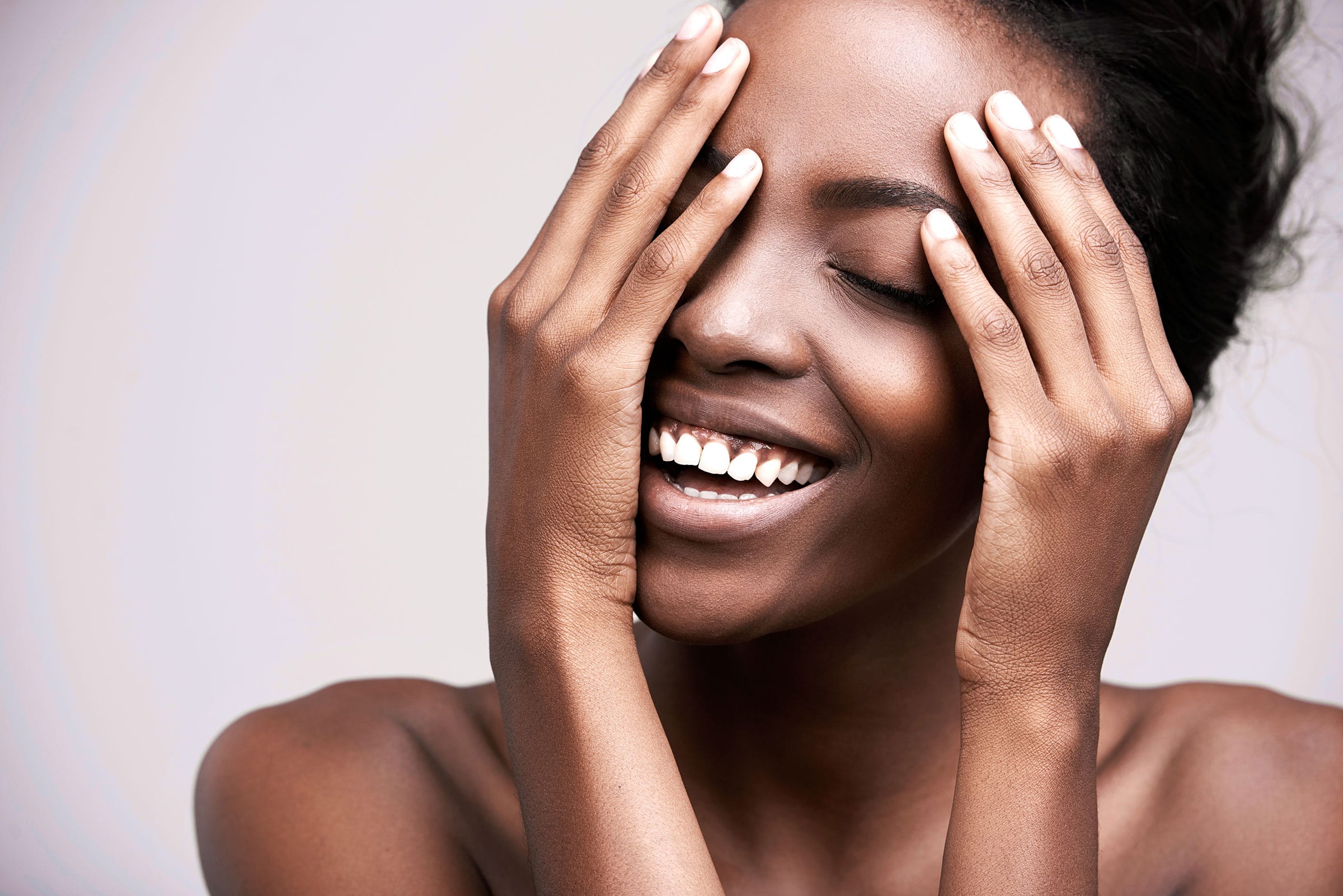
The technically cleanest photograph is not always the strongest one. A perfect makeup edge, an obedient strand of hair and an evenly lit face can coexist in an image that says very little. Another frame may contain a slight movement that makes the entire look feel inhabited.
Editing begins by returning to the intention of the story. What was the photograph supposed to reveal? The answer provides a more useful measure than checking every frame against a general idea of flawlessness.
Read the whole image first
View a small set at a normal size before enlarging details. Notice where your attention lands and how it moves. A beautifully resolved eyelid may be irrelevant if the pose directs the eye elsewhere. A wider frame may explain the relationship between hair and clothing better than the close-up everyone expected to lead.
Then inspect the details that matter to the concept. Look for distractions, missed focus and unintended styling changes, but distinguish these from natural expression. The aim is to understand what supports the image and what interrupts it, not to reward stillness automatically.
Choose a sequence with a reason
Two similar portraits should earn their places by showing something meaningfully different. A profile can explain shape; a close crop can reveal texture; a wider image can introduce gesture. Repetition is useful when it develops an idea. Otherwise, it can make a small edit feel less decisive.
Discuss substantial retouching with the relevant collaborators and keep the agreed character of the subject intact. Recheck the final images together after adjustments, because a change that improves one frame may separate it from the others. The last selection should feel like a coherent conversation: each photograph contributing a distinct observation, and none remaining solely because it was difficult to make.