HAIR
Hair Meets the Collar: Styling the Space Between Two Silhouettes
Explore the relationship between hairstyle and neckline through shape, spacing and texture, without relying on rigid face-shape rules.

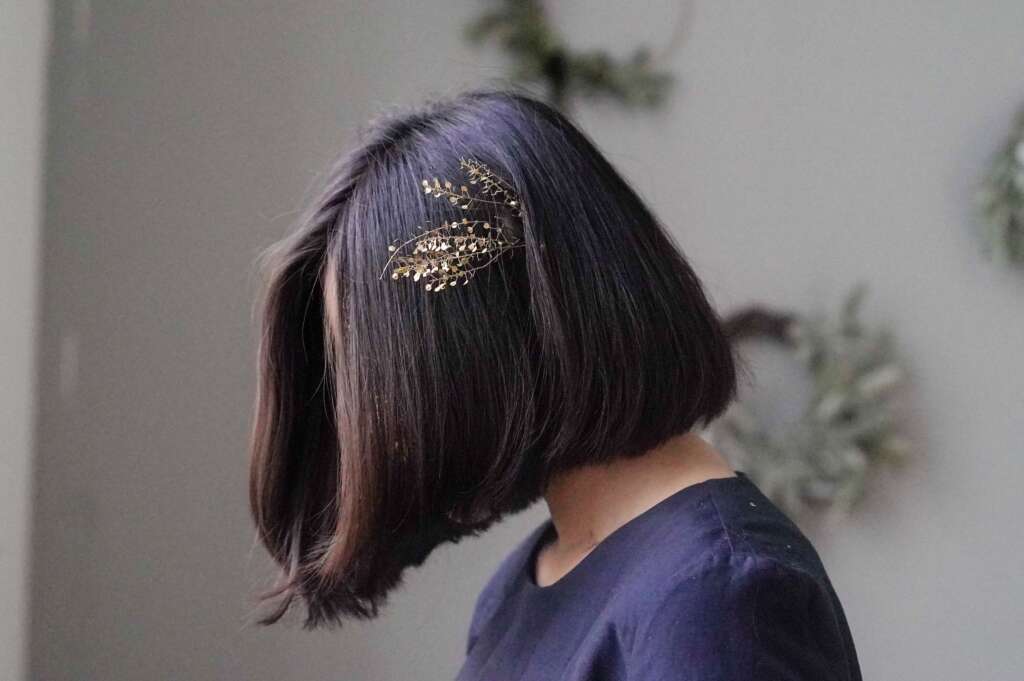
The relationship between hairstyle and neckline can change the whole impression of a look. Hair can overlap a collar, frame an open area or create a distinct shape above the clothing. To explore the relationship, assess the two silhouettes together instead of choosing each in isolation.
There is no universally correct hairstyle for a neckline. This is a styling exercise based on visual preference, comfort and the hair you have. It does not require changing your texture or following rules about what a particular face or body should wear.
Identify the strongest line in the clothing
Look at the neckline before adding accessories. Is it high and straight, open and curved, broad across the shoulders or interrupted by a collar? Describe the visible shape without deciding immediately how to balance it.
Then notice how the hair meets that shape. It may continue the line, overlap it or leave a clear interval. Each relationship can work. The aim is to recognize the existing effect so any adjustment has a purpose beyond making the look generally more polished.
Try an interval of visible space
Moving some hair away from a collar can make the garment’s construction easier to see. The resulting space between hair and clothing may become a quiet part of the composition. That does not mean the hair has to be tightly secured or the neckline completely exposed.
A partial change may be enough: one side arranged differently, a section moved behind the shoulder or a more open shape around the collar. Use a method that feels comfortable and appropriate for your hair. A styling idea should adapt to the wearer rather than demand discomfort for a cleaner photograph.
Explore overlap as an intentional choice
Hair resting over a neckline can soften or interrupt its shape. A precise collar under a looser hair silhouette creates one kind of contrast; a softer neckline beneath a more defined hairstyle creates another. Neither needs to be corrected simply because the outlines are not fully separate.
For a portrait, check whether the overlap obscures something important to the story. If the garment’s collar is the subject, you may want more separation. If the image is about the overall mood, the overlap may be exactly what gives it character.
Let texture complicate the geometry
Hair is not only an outline. Its visible texture can relate to a knit, a smooth woven fabric or a reflective accessory. A strong contrast between textures may be more interesting than a perfectly matched shape.
Avoid describing one texture as inherently neat and another as inherently uncontrolled. Describe what is visible and what the styling is doing. A broad, textured silhouette can be deliberate; a smooth one can still feel relaxed. Precision of language makes the discussion more useful and less judgmental.
Consider the side and back views
A hairstyle and neckline may meet differently when the wearer turns. For an event or everyday outfit, comfort and movement matter across those positions. For a shoot, the intended camera angles determine which relationships need attention.
Take a few simple test views if useful. Look for details such as a collar folding under the hair or an accessory disappearing in profile. These are practical observations, not reasons to inspect the wearer for flaws. Adjust only what serves the look or makes it easier to wear.
Add jewelry after the main relationship is clear
An earring or necklace introduces another shape into the space. It can connect the hair and clothing or become a competing focal point. Try the look with and without it before deciding that more detail is necessary.
If the neckline and hair already create an interesting contrast, a quieter accessory may give that relationship room. If both are restrained, a stronger accessory may provide the interruption you want. The sequence of decisions helps you understand what each element contributes.
Save a useful reference
If the combination works, photograph enough of the upper body to show why. A hair-only crop loses the neckline relationship that made the experiment interesting. Add a short note about placement, comfort and any accessory that helped. The reference can guide a future outfit even when the exact hairstyle or garment changes.
Questions about hair and necklines
Does a high neckline require an updo?
No. An updo may expose the neckline, while wearing hair down may create a deliberate overlap. Choose the relationship you prefer and consider comfort and movement.
Can natural hair texture remain the main styling idea?
Yes. Build the clothing and accessories around the existing texture if that is your preference. You do not need to alter it to make the outfit feel intentional.
What is the simplest way to compare options?
Keep the clothing and light the same, then change only the placement of the hair. Compare the overall shape and how each version feels rather than searching for a universally correct answer.
Should the hairstyle change for photographs?
Only if you want a different effect. A photograph may emphasize certain overlaps, but the camera does not decide what is right for the wearer. Use it as information, not a verdict.
Explore more
The Accessory Is an Accent: Let Hair Shape Lead the Look
Browse Hair for more from LEGACIQ.