


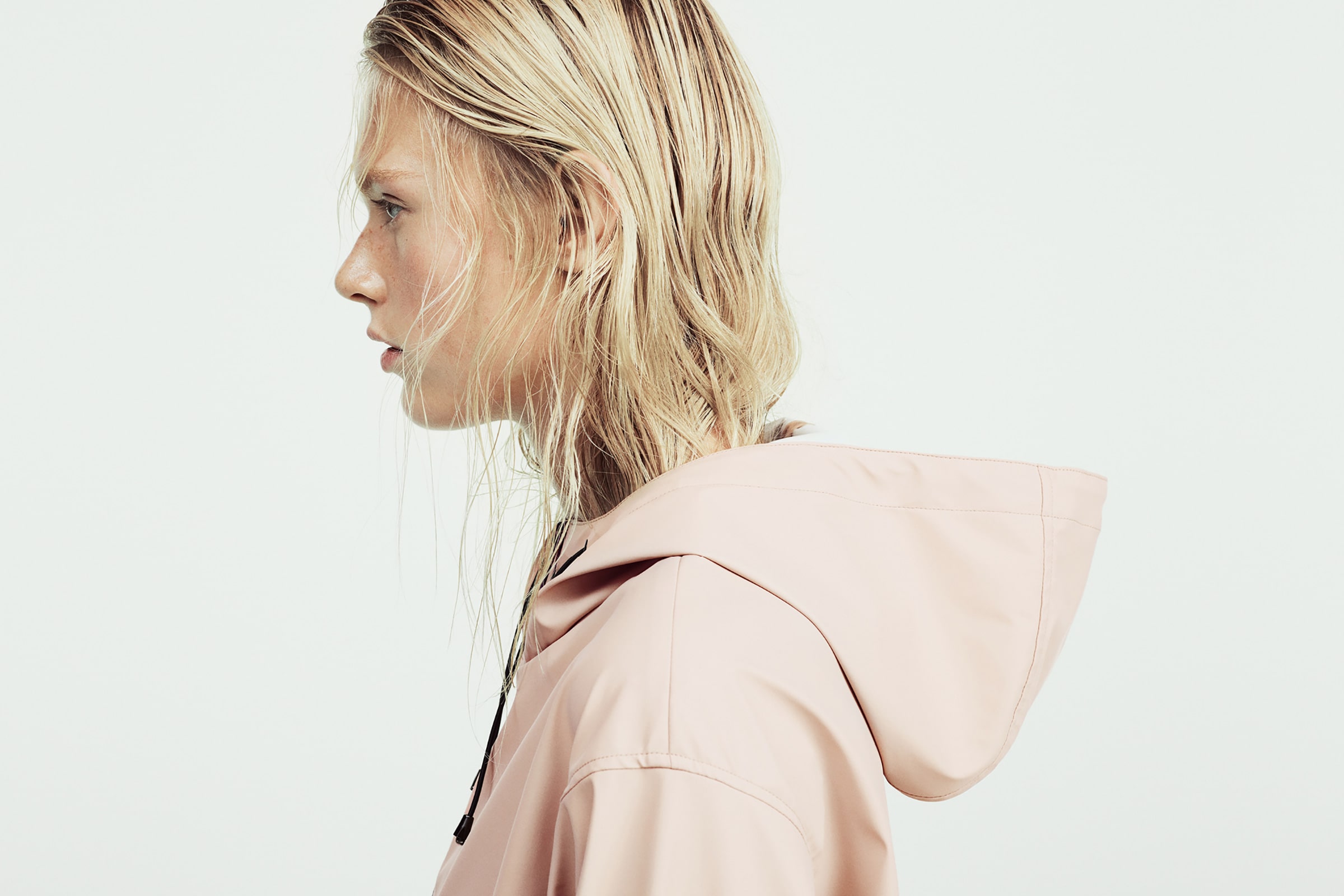
A parting is a small line with a large compositional role. It divides volume, directs the fall of hair and determines how much of each side of the face remains visible. In a portrait, moving that line can change the image before any other styling decision is made.
This is not a rule about which part belongs to which face shape. It is an invitation to experiment with a familiar hairstyle and notice how differently it can occupy the frame.
Use the existing movement
Begin with the way the hair naturally falls. A strong growth pattern may resist a perfectly straight division, while a softer one may allow several positions. Let that information guide the experiment. The aim is a wearable result, not a line that looks precise for one second and uncomfortable for the rest of the day.
Try the smallest change first. Move the part slightly, arrange the lengths with care and look at the whole head rather than the scalp line alone. One side may acquire enough volume to balance an exposed ear or a single earring. Sometimes that is the only adjustment the look needs.
Photograph the relationship
Keep clothing, light and camera position consistent while comparing versions. Otherwise, the effect of the part becomes difficult to separate from every other change. Include a relaxed expression in each image; a dramatic pose can disguise whether the styling feels natural to the wearer.
Then choose by intention. A centered arrangement might support a direct, symmetrical portrait. An offset line might introduce a quieter imbalance. Neither needs to correct the face. The useful question is which version supports the mood you want to communicate. A small shift is successful when it makes the familiar feel newly visible, while still allowing the person in the photograph to look like themselves.